When exploring what is a roller shutter motor, it's essential to understand its role in modern security and convenience. Roller shutter motors power mechanisms that raise and lower protective shutters. These devices are popular in commercial and residential settings for enhancing security while offering ease of use.
A roller shutter motor typically operates through a system of gears, pulleys, and electrical components. This motor allows users to open or close shutters automatically or with a switch. These features provide a reliable solution for safeguarding property and managing light entry.
However, choosing the right motor can be daunting. Different models offer various features and power levels. Inexperienced users might struggle with technical specifications. Additionally, varying installation requirements can lead to errors. This complexity underscores the importance of expert guidance in understanding roller shutter motors and their application.
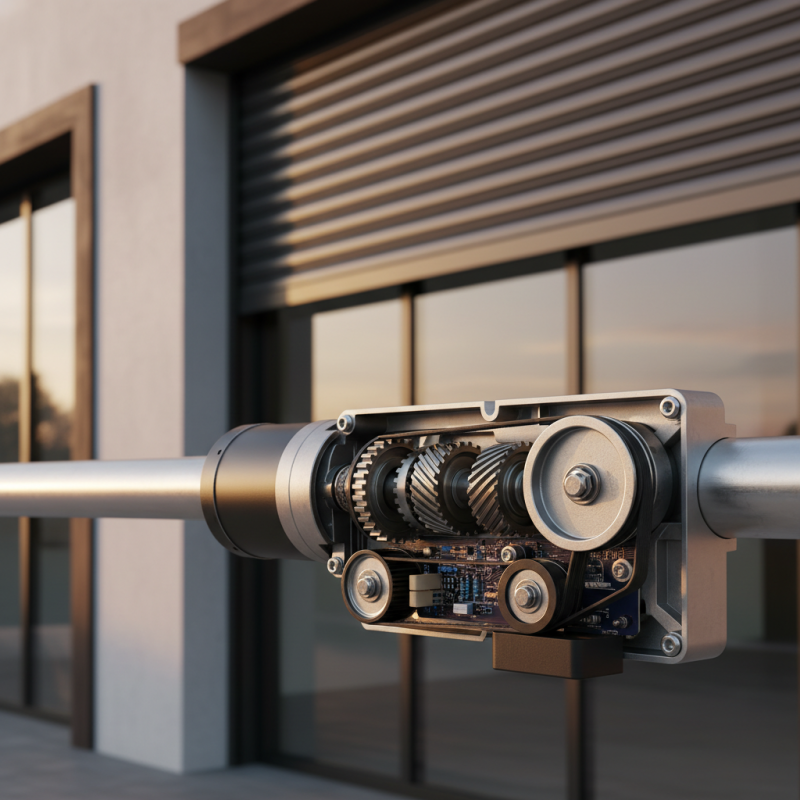
A roller shutter motor is a device that powers roller shutters. These shutters are often used for security and privacy in homes and businesses. They offer protection against intruders and harsh weather conditions. The motor plays a crucial role in the operation of these shutters.
The mechanism of a roller shutter motor is relatively straightforward. When activated, the motor rolls the shutter up or down, depending on your needs. The motor connects to a series of gears and straps. These components help manage the heavy lifting. Users often appreciate how quiet and efficient these motors are. Yet, some people struggle with selecting the right motor for their specific requirements.
Installation can also present challenges. Not every motor suits every shutter type. This can lead to complications if not properly analyzed. Regular maintenance is essential too. Dust and debris can accumulate, affecting the motor's efficiency. Sometimes, users overlook these aspects, which can lead to malfunctions. Understanding how a roller shutter motor works is vital for making informed choices about installation and maintenance.
A roller shutter motor is an essential component for operating roller shutters. It offers security while providing convenience. Understanding its components can enhance its functionality.
The primary part of a roller shutter motor is the motor unit itself. This unit is usually an electric motor that drives the shutter's movement. It converts electrical energy into mechanical energy. The gear system is next, facilitating smooth operation. Gears reduce the motor’s speed while increasing torque, helping the shutter lift or lower effortlessly.
Another crucial component is the control mechanism. This can be manual or automatic. Manual controls include pull cords or switches. Automatic systems often involve remote controls or sensors. Sensors increase safety by preventing the shutter from closing on objects or people. Wiring is equally important for connecting all components. It ensures reliable operation and minimizes electrical hazards. When problems arise, one might find faulty wiring or a malfunctioning control unit. Regular maintenance can help prevent these issues.
Roller shutter motors are crucial for automated roller shutters. They offer security and convenience in homes and businesses. Understanding their operation can help in making informed decisions. These motors, often electric, rely on a series of components to function efficiently.
The motor drives the roller shutter up and down. It uses a gearbox that converts electric energy into mechanical energy. This energy turns the roller, allowing the shutter to move. Sensors may be included to prevent damage by stopping the motor if an obstruction is detected. Regular maintenance is essential for optimal performance and longevity.
Tips: Consider checking the motor regularly. Look for any signs of wear or unusual noises. Cleaning the tracks can ensure smoother operation. Proper alignment of the shutter can prevent strain on the motor. This proactive approach can save time and prevent costly repairs.
| Feature | Description | Operation Mechanism |
|---|---|---|
| Type | Electric Motor | Uses an electric current to power a motor that controls the roller mechanism. |
| Control Method | Remote Control | Can be operated via remote control or wall switch for convenience. |
| Power Source | AC or DC power | Functions with either alternating current or direct current sources. |
| Safety Features | Obstacle Detection | Includes sensors to prevent closing on obstacles. |
| Installation | Vertical or Horizontal Mount | Can be installed in various configurations depending on window or door type. |
| Durability | Weather-resistant | Constructed to endure various weather conditions and provide longevity. |
Roller shutter motors come in various types, each designed for specific needs and applications. One of the most common types is the tubular motor. This motor is compact and fits inside the roller shutter's axle. Its design allows for smooth and quiet operation, making it ideal for residential use. These motors are often powered by electricity, providing convenience and ease of use.
Another popular type is the gear motor. This motor offers a greater torque output, making it suitable for larger or heavier roller shutters. Gear motors are often used in commercial or industrial settings where durability and power are essential. They tend to be more robust and can handle heavy-duty operations, providing reliable performance over time.
The chain drive motor is also notable. It operates using a chain mechanism to open and close the shutter. This type is often employed in situations where manual control is preferred. While it may require more effort, it provides an effective alternative when electricity is not accessible. Each motor type has its pros and cons, and selecting the right one requires careful consideration of specific requirements and environments.
Roller shutter motors are increasingly common in various applications. These motors provide convenience and security for homes, storefronts, and warehouses. They typically operate with a simple control, allowing users to open or close shutters easily. The benefits of using roller shutter motors are significant.
One major application is in commercial properties. Retail stores often use roller shutters to protect merchandise after hours. They offer a strong physical barrier while ensuring quick access during business hours. In residential settings, these motors enhance security and climate control. Homeowners appreciate the added protection against intrusions and harsh weather.
Tips for selecting a roller shutter motor include considering the weight and size of the shutter. Ensure the motor has the necessary power and efficiency for your needs. Installation is another crucial factor; faulty installation can lead to operational issues. Regular maintenance checks can help identify potential problems before they worsen. Using the correct lubricants can extend the motor's lifespan.
Keep in mind that roller shutter motors are not a one-size-fits-all solution. Individual needs vary, emphasizing the importance of discussing options with a professional. This helps ensure you choose the right motor that suits your specific requirements. Also, consider energy efficiency when selecting a motor to reduce long-term costs and environmental impact.
: A roller shutter motor drives the movement of roller shutters. It converts electrical energy into mechanical energy.
Key components include the motor unit, gear system, control mechanism, and wiring. Each plays a crucial role in operation.
Common types include tubular motors, gear motors, and chain drive motors. Each type has different strengths and suitable applications.
Consider the shutter's weight, size, and power requirements. Each motor has specific advantages that fit different needs.
Roller shutter motors are used in homes, stores, and warehouses. They provide security and climate control for various environments.
Regular maintenance helps identify issues like faulty wiring. This can prevent bigger problems and extend the motor’s lifespan.
Yes, some motors feature manual controls like pull cords. This option is useful when electricity is unavailable.
Yes, selecting energy-efficient motors can reduce long-term costs. It also helps to minimize the environmental impact.
Avoid improper installation. It can lead to operational issues and reduced functionality of the motor.
Yes, discussing options with a professional ensures that you choose the right motor for your specific needs.
A roller shutter motor is a device designed to automate the opening and closing of roller shutters, enhancing security and convenience for residential and commercial properties. Understanding what is a roller shutter motor involves recognizing its essential components, which typically include a motor, a drive mechanism, and control systems. These components work together to allow smooth operation, whether through manual controls or automation.
Roller shutter motors come in various types, each suiting different applications such as garage doors, storefronts, and window coverings. The benefits of using roller shutter motors extend beyond security; they also provide insulation, noise reduction, and protection from harsh weather conditions. By understanding how roller shutter motors operate, users can make informed choices to improve the functionality and safety of their spaces.

Torsion Motor