Explore our state-of-the-art tubular motors, garage door openers, and automated roller systems engineered by Ningbo Torsion Motor Co., Ltd. for ultimate performance and reliability.
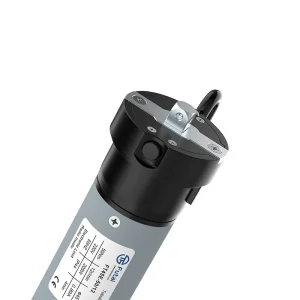
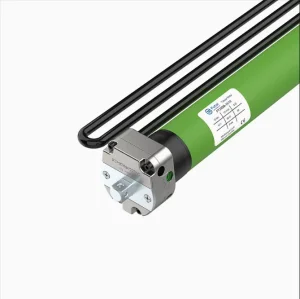
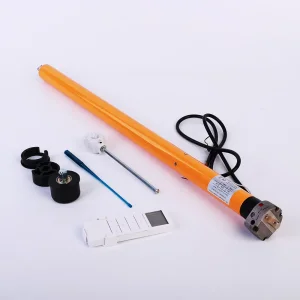
Analyzing the macro-economic and engineering forces shaping the modern building automation and outdoor architecture landscapes.
The global demand for retractable awning systems, smart pergolas, and vertical window shades has seen an unprecedented surge over the past decade. Driven by both residential wellness trends and commercial energy efficiency directives, modern building facades are rapidly transitioning from static barriers to dynamic, responsive skins. At the heart of this physical evolution is the tubular drive system. As modern buildings strive to comply with strict climate frameworks such as the European Union’s Energy Performance of Buildings Directive (EPBD) and the United States ASHRAE standards, automated sunshade operations are no longer considered luxury amenities—they are integral mechanical engineering components designed to minimize HVAC (Heating, Ventilation, and Air Conditioning) load requirements by up to 30%.
From a commercial perspective, developers and architectural integrators face the complex task of selecting motor systems that not only withstand diverse environmental stresses but also offer native compatibility with broader Building Management Systems (BMS). High-quality retractable awning motors must balance reliable mechanical force transmission with smart communication networks. Ningbo Torsion Motor Co., Ltd. has spent the last 14 years at the forefront of this industrial intersection, designing customized OEM/ODM motorized architectures that power external blinds, rolling security shutters, commercial storefronts, and recreational vehicle (RV) awnings in more than 60 countries.
An in-depth look at internal gear composition, mechanical override interfaces, thermal curves, and control paradigms.
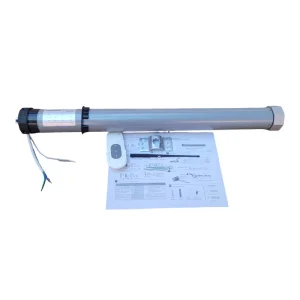
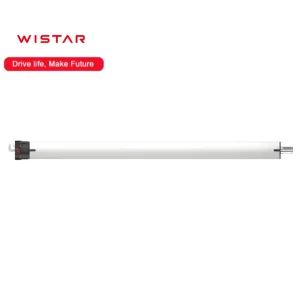
Selecting or designing a tubular motor for retractable awnings requires a robust understanding of torque generation, mechanical efficiency loss, and weather exposure dynamics. Unlike internal roller shades, external retractable awnings are subject to high wind lift forces, solar heat accumulation, and moisture ingress. As a result, the internal components of a high-performance tubular motor must be built to extreme specifications.
Utilizes multi-stage planetary gear reduction units configured to optimize concentric load distribution. This architecture reduces noise output below 40dB while ensuring maximum starting torque to overcome initial inertia of heavy tensioned fabrics.
Incorporates an automatic electromagnetic spring-applied dry brake. In the event of a sudden power outage, the brake locks instantaneously, stopping the awning in its current position to prevent wind damage or uncontrolled unrolling.
Equipped with internal PT100 temperature sensors and automatic cut-off relays calibrated to 130°C. This prevents coil melting and component fatigue during continuous cycling or extreme high ambient temperature exposure.
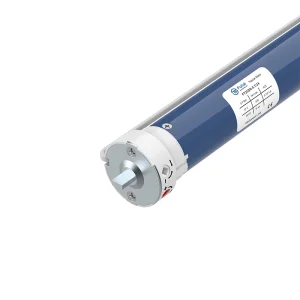
Furthermore, motorized awnings are frequently installed with mechanical manual override mechanisms (often seen in our 35mm and 45mm DC/AC Manual Tubular Motors). This crucial fail-safe system utilizes a heavy-duty worm-and-wheel mechanical interface that allows operators to manually crank the awning closed during complete electrical grid failure. By isolating the manual drivetrain from the primary electric gear shaft when not engaged, the system prevents parasitic drag, extending the active operational lifespan of the motor beyond 10,000 continuous open/close cycles.
The following technical data defines the core operating metrics of the primary tubular motor configurations designed for custom OEM integration.
| Motor Series / Base Architecture | Diameter (mm) | Rated Torque (N.m) | Speed (RPM) | Operating Voltage | IP Rating | Primary Application Profile |
|---|---|---|---|---|---|---|
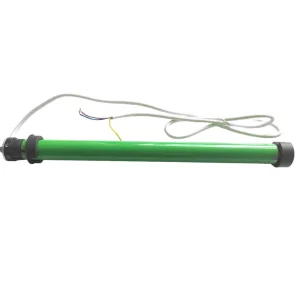
| 35DM DC Series | 35 | 3 - 10 | 14 - 28 | 12V / 24V DC | IP44 / IP55 | RV Awnings, Compact Smart Blinds |
| 45DM / RM AC Series | 45 | 10 - 50 | 12 - 17 | 110V / 220V AC | IP44 | Residential Retractable Patios, Storefronts |
| High-Torque AC Rollers | Over 59 | 50 - 120 | 9 - 12 | 220V / 380V AC | IP54 | Heavy Commercial Awnings, Security Grilles |
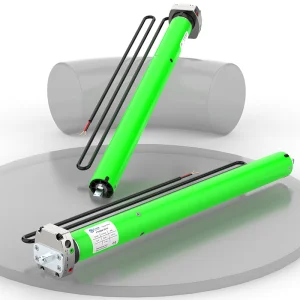
| Low-Voltage Brushless DC | 35 / 45 | 6 - 20 | Variable Speed | 24V DC (Solar Compatible) | IP55 | Off-Grid Systems, Energy-Efficient Green Buildings |
How Ningbo Torsion Motor Co., Ltd. transitions custom functional requirements into reliable mass production lines.
For industrial buyers, distributors, and door system manufacturers, the primary obstacle in purchasing motors from a factory is the lack of customizability for specific mechanical frames. A standard, off-the-shelf tubular motor rarely meets the complex mechanical spatial tolerances, wiring configurations, and software communication standards required by proprietary awning and shutter architectures.
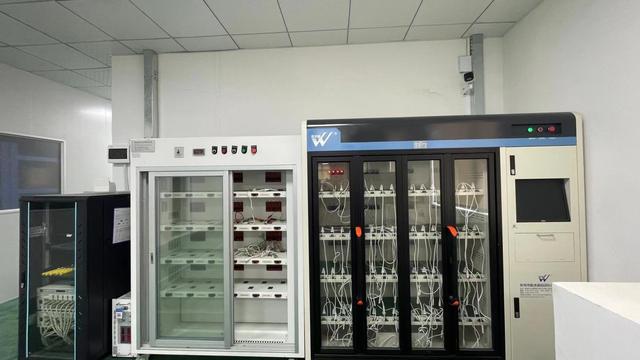
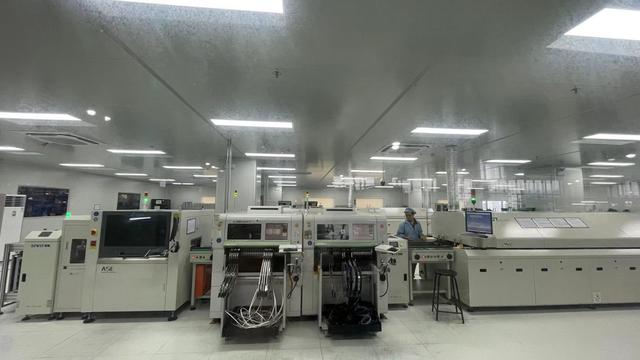
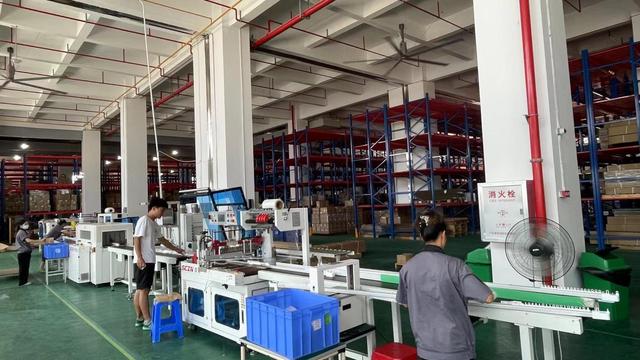
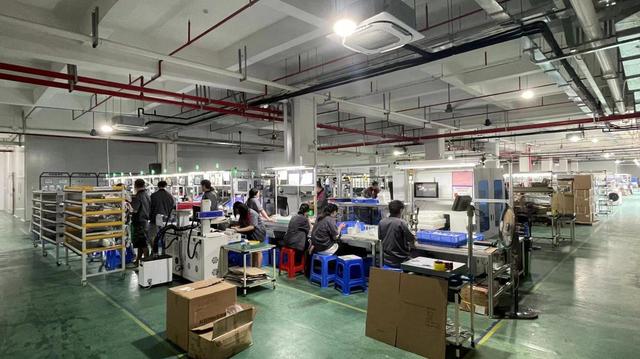
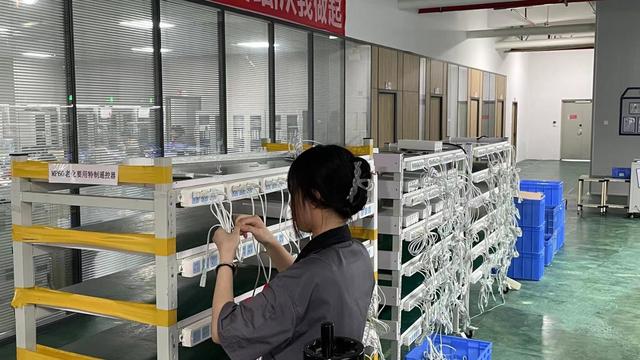
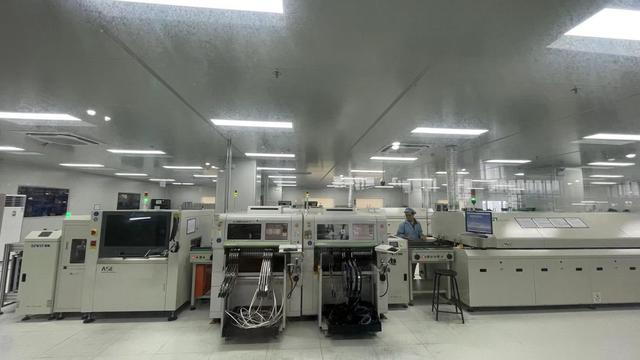
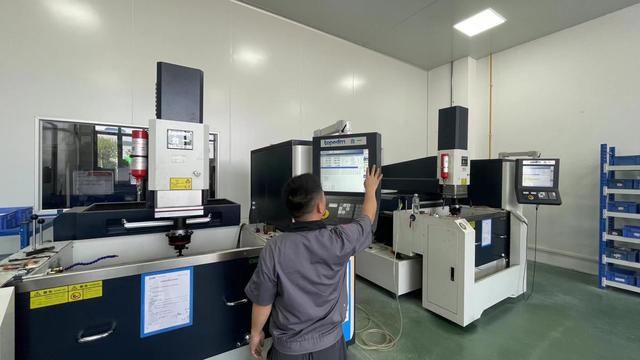
At Ningbo Torsion Motor Co., Ltd., we resolve this through a dedicated, modular OEM/ODM integration workflow designed to minimize development cycles while keeping quality control metrics to strict tolerances. Established in 2010 in Ningbo, Zhejiang Province, our 10,000-square-meter facility features automated CNC machining stations, semi-automated copper coil winding assembly lines, dedicated dynamic balancing laboratories, and computerized quality-assurance testing rooms.
Our engineering team collaborates with the client's design unit to define mechanical parameters (target torque, rotational speed, bracket limits), electrical constraints (input voltage range, harmonic distortion tolerances), and environmental conditions.
Using finite element analysis (FEA) models, we simulate stress distributions across internal gear configurations. A physically machined prototype is then manufactured using high-accuracy CNC units within 7-10 working days.
Prototypes are placed in extreme environmental chambers where they undergo continuous high/low temperature cycling (-20°C to +60°C), salt spray testing for oceanfront resistance, and a 10,000-cycle mechanical fatigue stress test.
This focus on rigorous manufacturing and engineering standards forms the foundation of our E-E-A-T values. Every batch of motors that exits the factory floor is accompanied by detailed testing reports, including insulation resistance data, high-voltage breakdown evaluations, and dynamic acoustic reports. By maintaining an active ISO 9001:2015 Quality Management System, Torsion Motor ensures that every global distributor receives products with consistent physical and mechanical performance.
Connect with our expert application engineering team. We support tailored software protocols (Zigbee, Matter, Z-Wave), customized mechanical limit switch lengths, and specialized output shafts.
Navigating the complex landscape of regional certifications, building codes, and specialized application environments.
A major challenge for global distributors and system installers is ensuring that their imported motorized systems comply with localized electrical and structural codes. Operating across diverse jurisdictions requires a proactive approach to mechanical safety, electromagnetic emissions, and environmental toxicity restrictions.
For example, in the European market, motors must carry the CE Mark and comply with the Electromagnetic Compatibility (EMC) Directive 2014/30/EU and the Low Voltage Directive 2014/35/EU. Additionally, compliance with the Restriction of Hazardous Substances (RoHS) Directive is mandatory, ensuring no heavy metals are used within the internal circuitry. In North America, the motor system must meet UL 325 (the standard for door, drapery, gate, louver, and window operators) and FCC Part 15 subpart B standards to prevent radio frequency interference with other wireless devices.
Our manufacturing lines in Ningbo are fully equipped to supply products that carry these regulatory approvals. Whether your project involves automated commercial facades in Germany, high-wind patio sunshades in Australia, or off-grid RV awnings in the American Southwest, Torsion Motor provides pre-certified motor configurations to streamline your local building approvals and product import clearance.
Our 12V/24V DC awning motors operate reliably off standard deep-cycle battery banks. Their low power draw and high vibration resistance make them ideal for modern overland campers and mobile homes.
Engineered for frequent duty cycles, our AC motors feature advanced thermal dissipation to support continuous multi-unit synchronized operation across large retail displays.
Features double-lip mechanical oil seals, IP55-rated weather enclosures, and marine-grade anti-corrosive powder coatings designed to withstand salty marine environments.
Exploring the engineering shifts and technology integrations that will define the next decade of architectural sunshading.
The sunshade automation industry is transitioning away from simple wired wall switches towards intelligent, self-optimizing ecosystems. This shift is driven by three main innovations that our engineering division is actively integrating into our manufacturing line:
I. The Transition to Brushless DC (BLDC) Motors: While traditional AC tubular motors remain cost-effective, BLDC motors offer unmatched energy efficiency, variable speed control, and lower heat generation. Because BLDC motors lack physical brushes, friction is reduced, extending the motor's operational lifespan by over 200%. They are also highly compatible with solar-powered battery banks, enabling fully off-grid, self-sustaining window and patio shades.
II. IoT Smart Home Protocols & Bidirectional Communication: The next generation of Torsion Motor systems features native Zigbee 3.0, Thread, and Matter integration. Unlike traditional one-way RF remotes, these modern communication protocols enable bidirectional telemetry. Users and building managers receive real-time feedback on current awning positioning, wind speed, solar load, and motor health directly on their control dashboards.
III. AI-Driven Environmental Integration: By pairing intelligent tubular motors with external weather stations and localized environmental sensors, modern awning systems can automatically react to changing conditions. If wind sensors detect speeds exceeding safe thresholds (e.g., 40 km/h), the motors immediately retract the awning. Conversely, when solar sensors detect intense UV levels, the system deploys the sunshade to protect indoor spaces, reducing the building's thermal footprint.
Addressing the critical engineering, logistical, and installation queries raised by global industrial procurement managers.
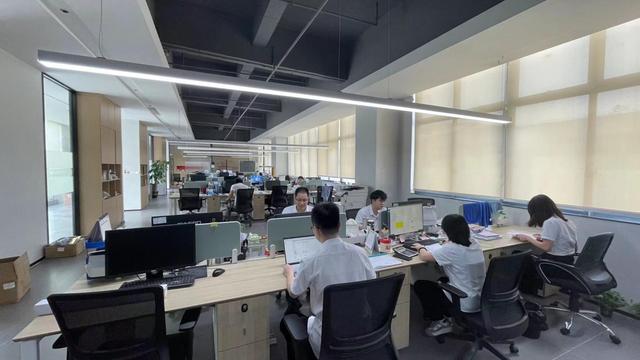
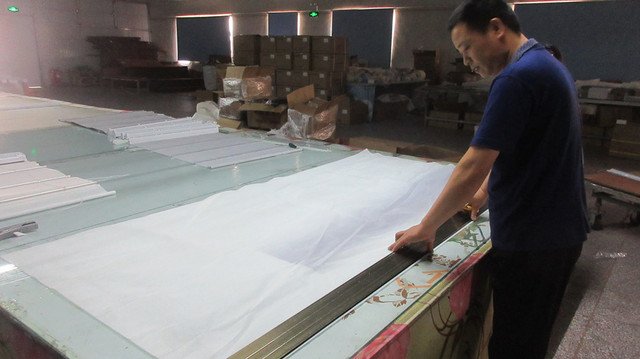
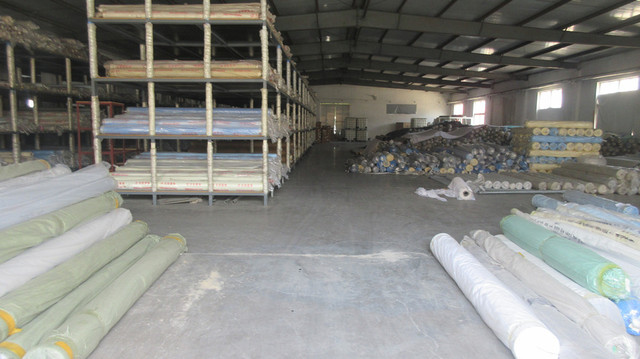
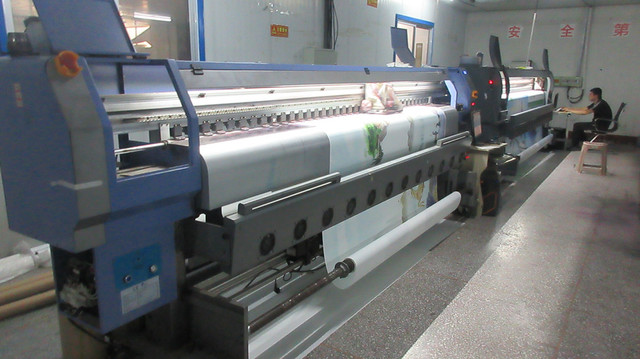
A transparent look inside our modern production facilities, testing laboratories, and quality-assurance systems in Ningbo, China.
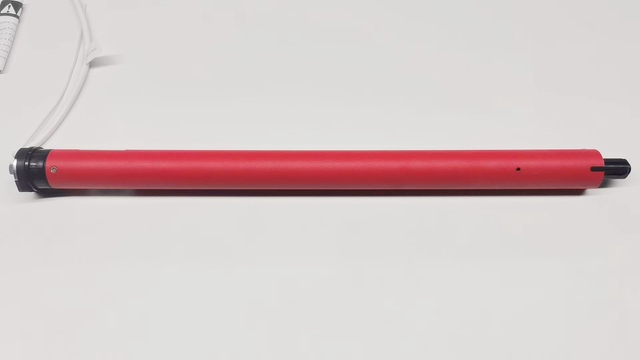
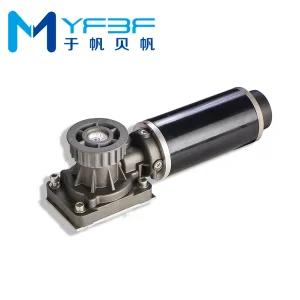
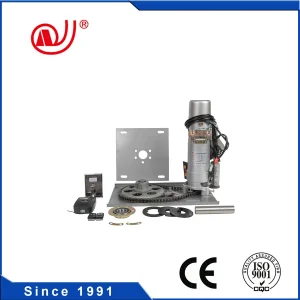
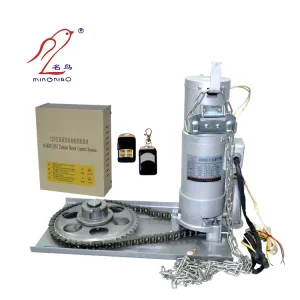
Advanced garage door openers, roll-up gate drives, and high-performance DC motors for demanding commercial and industrial applications.
 Torsion Motor