Designed with multi-protocol controllers, engineered to endure the dynamic temperature fluctuations of alpine regions.

In the contemporary landscape of Central European building engineering, the integration of motorized shade systems has transitioned from an optional architectural upgrade to a fundamental compliance necessity. In Austria, where thermal efficiency directives are rigidly regulated through the **Österreichisches Institut für Bautechnik (OIB)** standards—specifically **OIB-Richtlinie 6**—optimizing solar heat gain coefficients through external roller shutters has become an architectural baseline. This whitepaper analyzes the multi-layered technological framework driving the deployment of modern tubular and external smart shutter motors, highlighting their operation in severe alpine climates and their role in local smart building networks.
Austrian buildings encounter distinct meteorological conditions, varying from the freezing alpine temperatures of the western provinces (Tyrol, Vorarlberg) to the blistering summer heat waves in the eastern Pannonian lowlands (Vienna, Lower Austria). This geographic variation requires exterior rolling shutters and external venetian blinds (**Raffstoren**) that can adapt in real time to shifting environmental factors. By employing automated shutter motors, structures can dynamically lower thermal transfer rates (U-values) during cold winter nights and block high solar radiation during hot summer days, significantly reducing HVAC loading cycles.
A central pillar of the local energy saving model involves integrating external shading assemblies with automated sensors. Standard single-protocol motors no longer satisfy complex commercial specifications. Developers are prioritizing intelligent AC and low-voltage DC drive systems containing built-in microprocessor interfaces. These allow absolute coordination with KNX and **Loxone** building servers, the latter being an Austria-born automation ecosystem widely established in European residential and light commercial developments.
"Thermal protection in Austrian architecture is no longer just a passive insulation metric. Modern OIB-Richtlinie 6 standards necessitate proactive, automated solar management strategies where dynamic exterior shutters function as active components of the building envelope."
On a international scale, the global smart shutter motor market is undergoing a rapid technological migration away from conventional, noisy mechanical-limit induction motors. The market now emphasizes intelligent brushless DC (BLDC) motors, dual-voltage flexibility, and high-frequency RF/Zigbee/Z-Wave wireless control schemes. Engineers recognize that planetary gear alignment, electromagnetic brake configurations, and precise limit-setting architectures are vital for modern automated systems.
Additionally, modern structures utilize sophisticated curtain and shutter assemblies to meet structural wind load ratings. Under European Standard **EN 13659**, exterior roller shutters must withstand exceptional wind pressures, particularly on high-altitude facades. To prevent damage, smart tubular motors with sensitive integrated obstacle detection and ice-release functions are mandatory. When the motor senses an obstacle, or when the shutter slates are frozen in place due to alpine frost, the current load spikes; the micro-controller detects this instantly, shutting down power to prevent mechanical torsion failures.
Engineered to deliver high precision, smooth acceleration curves, and complete compatibility with modern European home ecosystems.
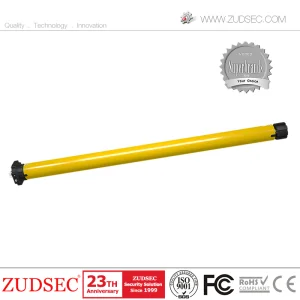
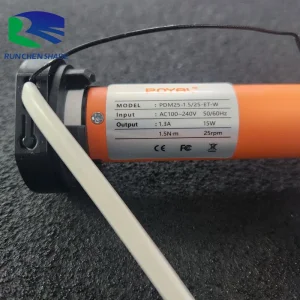
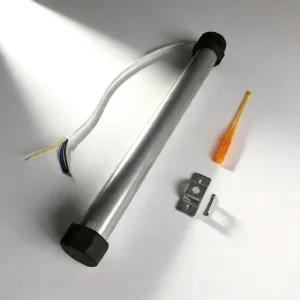
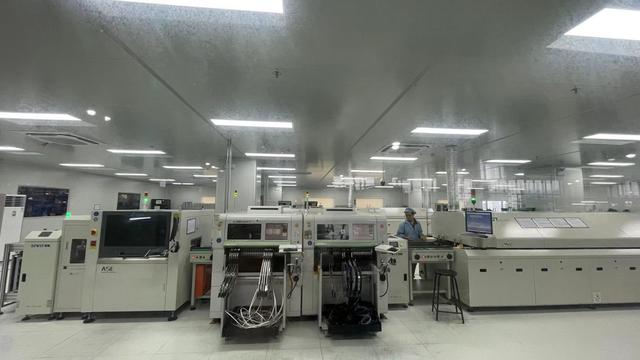
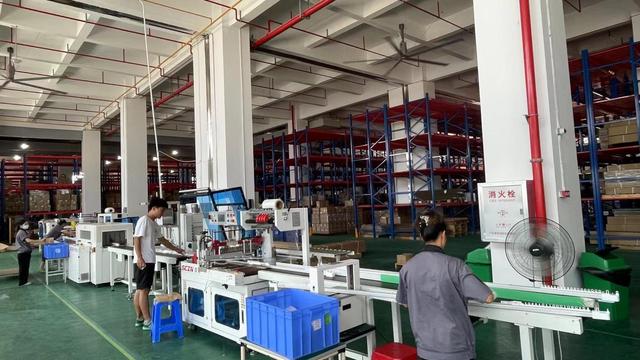
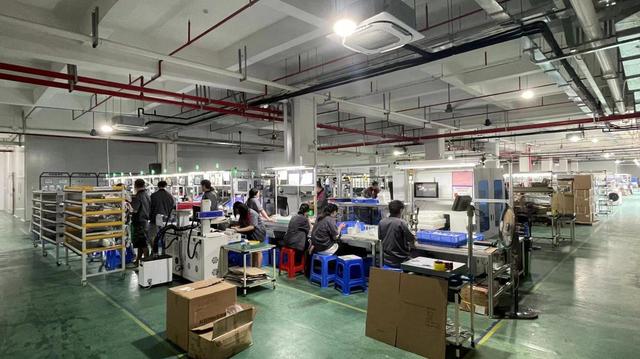
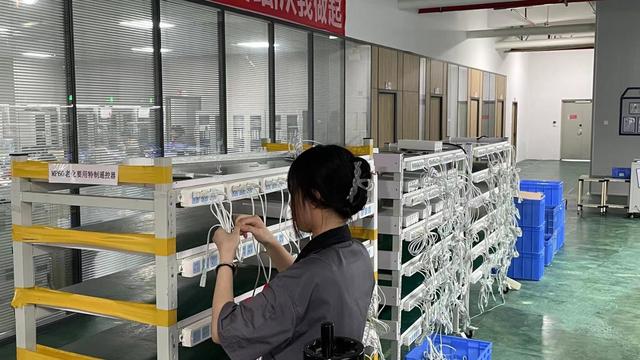
In the smart automation sector, sourcing components requires balancing cost efficiency with engineering reliability. As an industrial center, **Ningbo Torsion Motor Co., Ltd.** operates at the intersection of supply chain scale and international engineering quality. Located in Zhejiang Province, China, our advanced facility spans over **10,000 square meters** and employs more than **200 technicians** focused on developing drive systems.
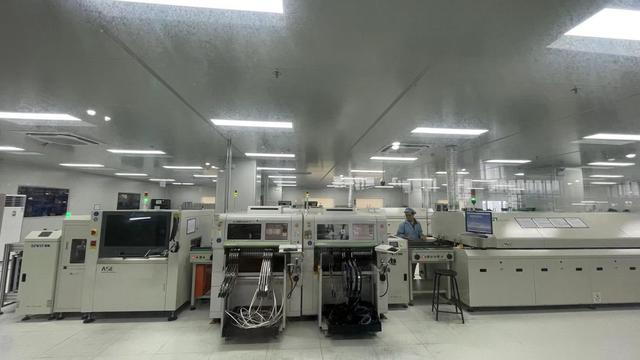
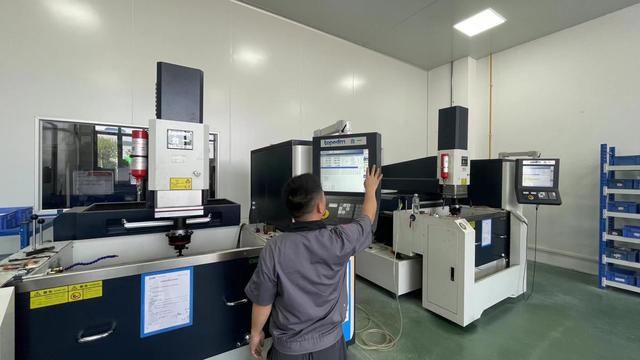
Ningbo's proximity to steel sheet fabrication hubs, copper rod casting facilities, and electronic micro-component markets ensures rapid, high-quality sourcing. This concentration allows us to achieve manufacturing tolerances that rival higher-cost Western European equivalents. Our production process features automated wire winding arrays, high-speed progressive stamping lines, and automated dynamic balance test systems. This infrastructure ensures consistency across large production runs, while keeping pricing competitive for Austrian distributors, door system fabricators, and building automation integrators.
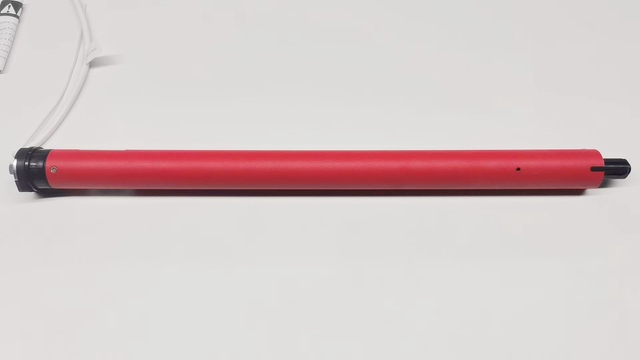
Austrian commercial developers require specific functional capabilities from motor suppliers. A successful supply relationship relies on adapting structural assemblies to match European electrical systems and interface parameters. This involves customizing motor torque ratings, operating speeds, physical mounting adapters, and electrical interfaces. Ningbo Torsion Motor Co., Ltd. provides robust OEM/ODM support, customizing tubular systems to fit regional profiles, including **40mm, 45mm, 50mm, to 92mm octagonal and round shafts**.
Furthermore, our motors undergo strict testing to ensure compliance with critical directives:
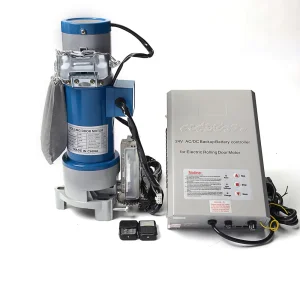
Engineered for large industrial setups, loading bays, and smart garage systems requiring high torque output and backup battery capacity.
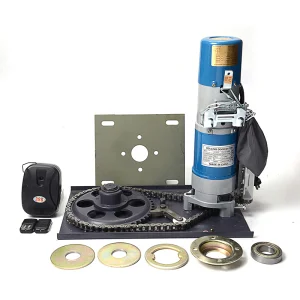
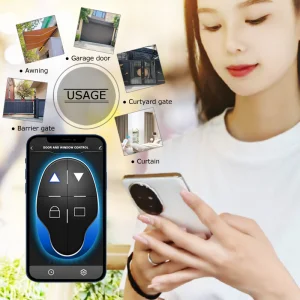
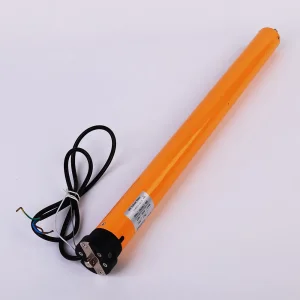
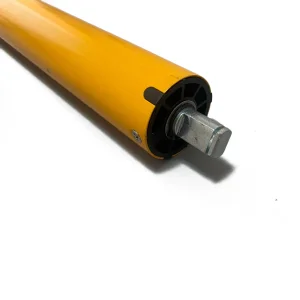
To demonstrate the real-world application of Ningbo Torsion products, we outline three architectural scenarios modeled after recent building projects in key Austrian economic regions.
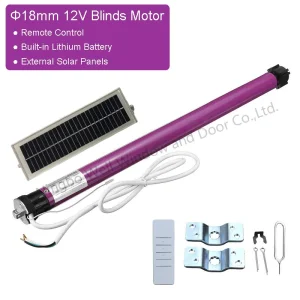
In Vienna's major urban development zone, engineers required solar protection capable of operating without external wiring connections to preserve the air tightness of the building envelopes. The **45lez Tuya Smart Zigbee Tubular Motor with Li-ion Battery** was selected. Powered by an external slim solar panel integrated on the shutter casing, these motors communicate directly with the local smart hub. This configuration eliminated building envelope penetrations, maintaining the strict Passive House air tightness rating while delivering efficient solar tracking control.
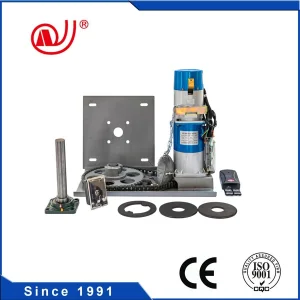
For a heavy-duty industrial loading bay subjected to continuous cycling and high particulate exposure, engineers deployed the **Smart WiFi Control 800kg Roller Shutter Motor**. Incorporating thermal protection switches, reinforced alloy gears, and a wireless manual bypass controller, the motor maintained operation under heavy use, ensuring reliable cargo processing through intense seasonal weather.
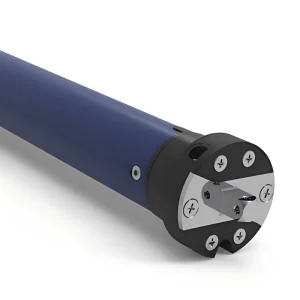
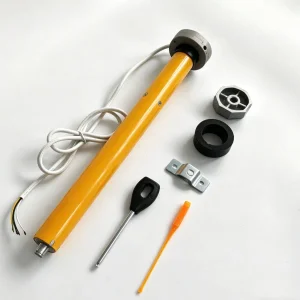
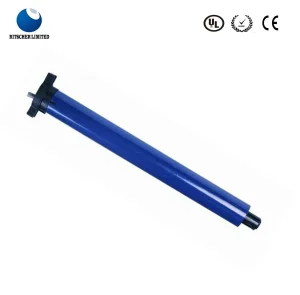
At a luxury resort situated at 1,368 meters elevation, severe winds and freezing conditions regularly caused shutter blockages. Integrators installed the **Smart 45mm 50nm Tubular Motor** equipped with customized low-temperature grease and smart load detection. This motor layout automatically senses ice obstruction within the guides, reversing mechanical action to protect the motor windings and blind slats from tension damage.
Sourcing from our facility in Ningbo, China, to destinations in Austria (including distribution centers in Vienna, Graz, and Linz) is supported by refined logistics networks. Austrian procurement teams can choose between three main transit pathways, balancing speed and shipping costs:
**Maritime Transit via the Southern Gateway (Port of Koper, Slovenia):** For bulk ocean container transport, shipping to the Port of Koper represents an efficient route to the Austrian hinterland. Once unloaded, cargo is moved via direct rail lines to Terminal Vienna South or Cargo Center Graz in under 30 days total transit time.
**The New Silk Road Railway Interconnection:** When transit speed is critical but air freight is cost-prohibitive, the trans-Eurasian rail freight network connects Zhejiang Province directly to Austrian rail terminals in 16 to 19 days, avoiding maritime disruptions.
**Air Freight Consolidated Delivery:** For urgent building projects or custom prototype validation runs, direct air connections between Shanghai Pudong (PVG) and Vienna International Airport (VIE) deliver goods within 3 to 5 days, supported by our experienced customs clearance teams.
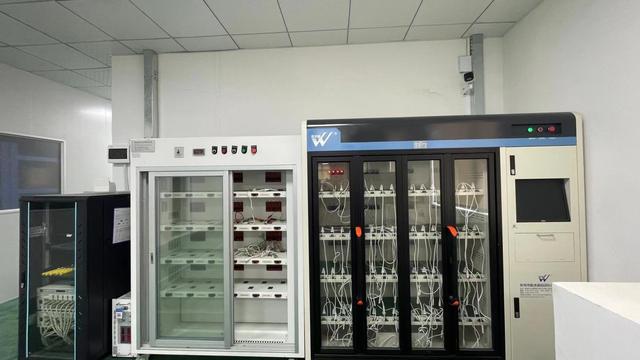
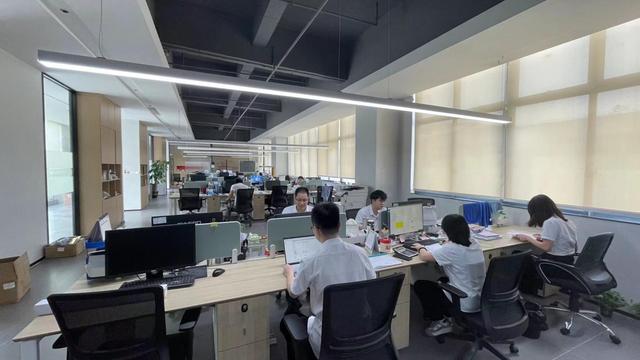
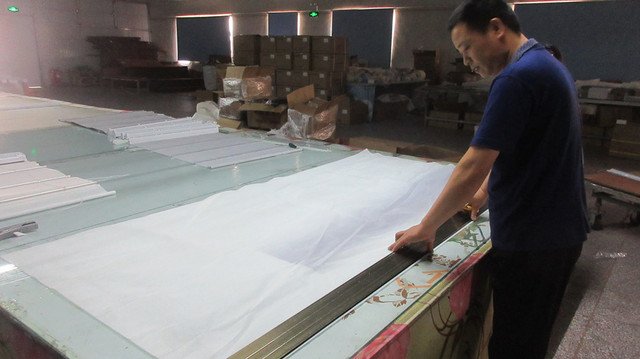
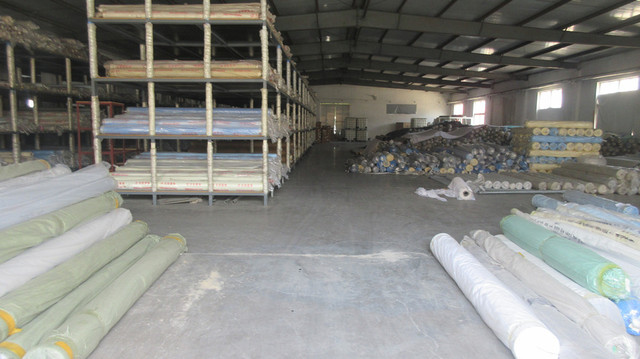
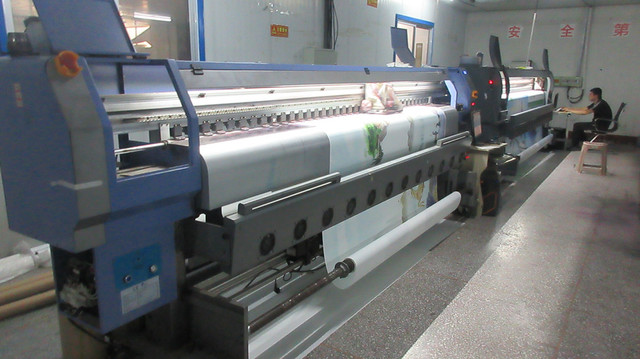
Inside our 10,000+ square meter factory, showing precision tooling, automated winding, and comprehensive testing laboratories.
Answers to essential technical, certification, and logistical questions for professional integrators and procurement agents.
Our motors integrate smoothly with Loxone smart home networks. For AC motors, control is achieved using Loxone relay extensions to manage directional power feeds. For DC models (such as our 24V controller models), integration via digital inputs and outputs, or utilizing our Modbus RS485 and Zigbee protocols, enables complete control over shutter extension levels and blade angles.
Our smart tubular motors feature obstacle and frost detection systems. If a roller shutter freeze-locks in the side guide rails due to snow or frost, the motor automatically stops its cycle when it detects a load spike. Additionally, we use high-grade low-temperature lubricants that maintain dynamic viscosity ratings down to -25°C, ensuring reliable operation without component wear.
Yes, our engineering department provides comprehensive ODM support, including manufacturing custom drive wheels, crown adapters, and mounting brackets. We support various European shutter brands, and we can machine adapters for standard octagonal tubes (40mm, 50mm, 60mm, 70mm) as well as specialized keyway round profile configurations.
Standard OEM production runs average 20 to 30 days from order confirmation to port delivery. Rail freight transit via the China-Europe Express to Austrian rail hubs takes approximately 16 to 19 days. Ocean freight via Koper requires 22 to 26 days port-to-port, while urgent air deliveries arrive at Vienna International Airport within 3 to 5 days.
Every motor shipped to European markets is certified to CE, RoHS, and relevant EMCD standards. Electromagnetic interference shields are integrated to prevent disruption of home wireless systems, and internal power components comply with European electrical codes.
Looking ahead, the global window shutter and shading market is shifting from isolated automation setups to integrated IoT networks. Drive systems are expected to function as active sensors within home networks, providing diagnostic feedback such as current draw, cycle counts, operating temperature, and obstruction tracking. This predictive maintenance model minimizes system down time in high-traffic commercial and residential complexes.
Furthermore, local sustainability targets require manufacturing practices that prioritize environmental responsibility. Ningbo Torsion Motor Co., Ltd. continues to update its production facility by using recyclable packaging, upgrading to energy-efficient automated machinery, and eliminating toxic chemicals in its supply lines. Partnering with Ningbo Torsion provides Austrian distributors, architectural firms, and automation engineers with an efficient, reliable supplier prepared to support the future of smart building technology.
Connect with our engineering and logistics specialists today to request technical datasheets, coordinate custom adapter designs, or schedule sample shipments for Austrian building certifications.
Send Inquiry Now Torsion Motor