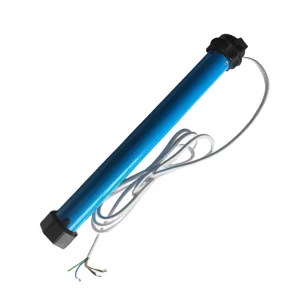
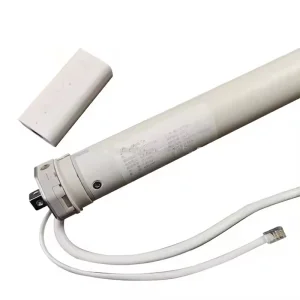
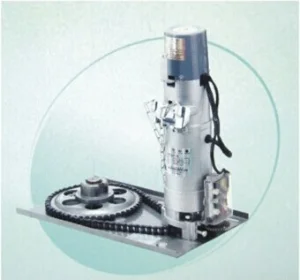
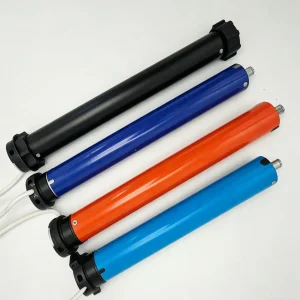
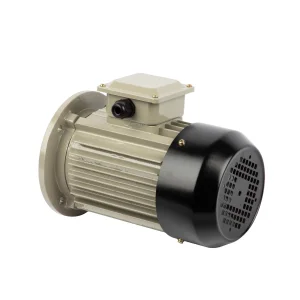
Explore our top-tier collection of high-torque, precise-control brushless motors and specialized residential-to-industrial actuators designed for carbon-neutral smart buildings.
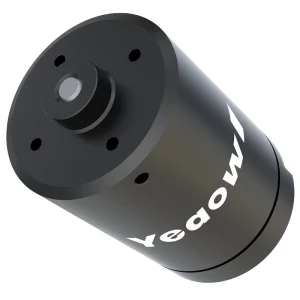
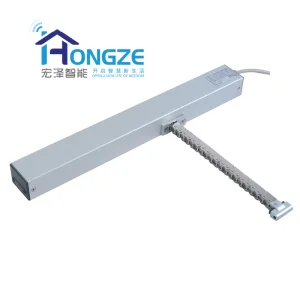
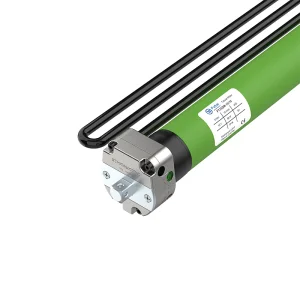
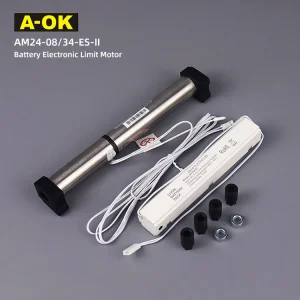
In the contemporary landscape of smart buildings and industrial operations, electromagnetic drive efficiency is no longer merely a mechanical specification; it is the fundamental core of global carbon reduction strategies. Traditional single-phase and induction drive systems account for more than 45% of total global electricity consumption. As world economies align with strict environmental frameworks such as the European Union’s Ecodesign Directive (incorporating IE3, IE4, and upcoming IE5 efficiency mandates) and the United States Department of Energy (DOE) energy conservation regulations, the selection of premium automated motor manufacturers has emerged as a high-priority procurement strategy.
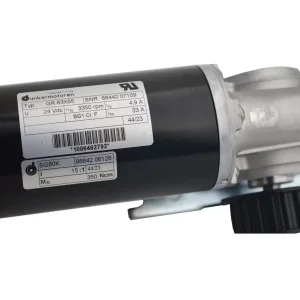
Modern micro-drive and low-voltage DC structures represent a revolutionary shift toward systemic efficiency. By utilizing high-flux-density neodymium permanent magnets (PM) paired with precise brushless DC (BLDC) commutation algorithms, modern drive technology achieves over 85% mechanical conversion efficiency across varying speed spectra. This paradigm shift directly addresses the massive energy losses historically associated with fractional horsepower electric motors, particularly in applications like dynamic facade adjustment, automated shade systems, smart access control, and large-scale industrial warehouse doors.
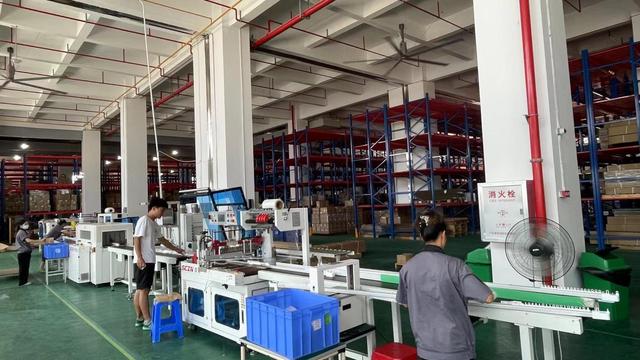
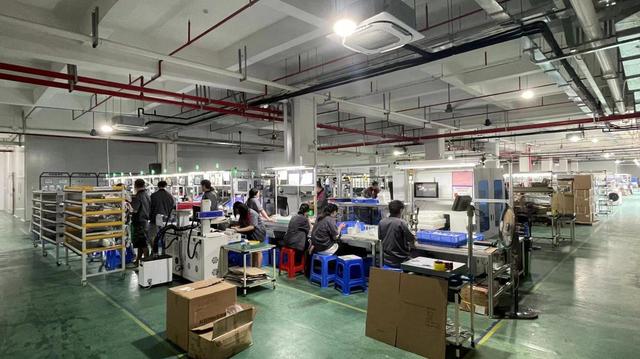
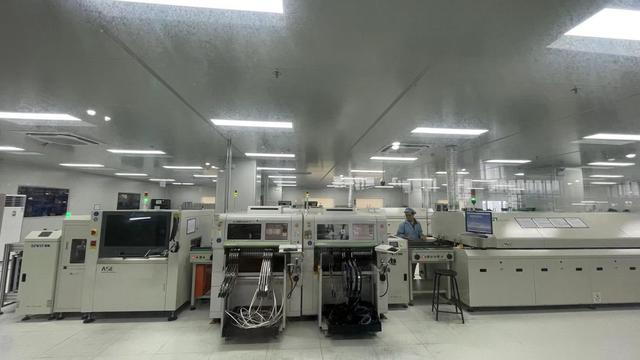
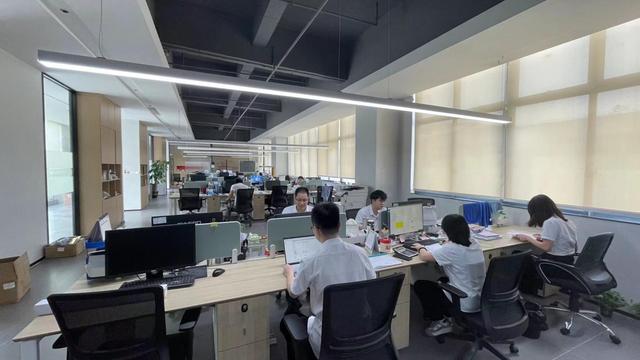
Ningbo Torsion Motor Co., Ltd. stands as a premier global OEM and ODM manufacturer specialized in roller shutter motors, tubular motors, garage door motors, and intelligent automation drive systems. Founded in 2010 and strategically located in the manufacturing hub of Ningbo, Zhejiang Province, China, the company operates a state-of-the-art production complex spanning over 10,000 square meters. Anchored by a highly collaborative engineering and operations team of over 200 dedicated staff members, Torsion Motor seamlessly integrates raw materials testing, micro-level precision machining, digital automated assembly, and strict multi-stage quality control to supply high-reliability motorized drive platforms for diverse residential, commercial, and industrial markets.
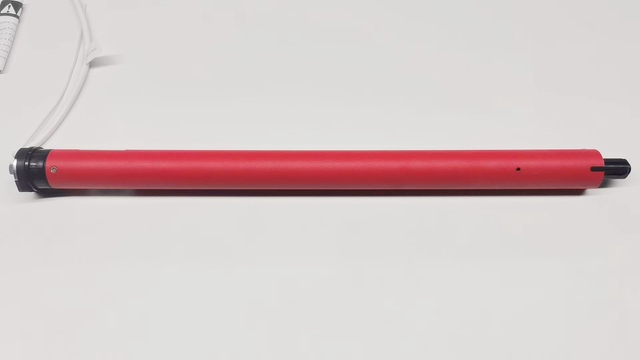
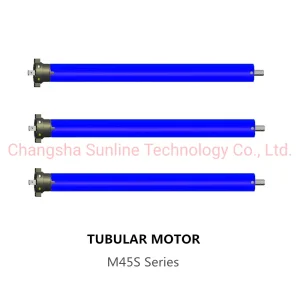
The company’s broad technology portfolio includes highly specialized roller shutter motors, tubular drives, garage door operators, heavy-duty industrial door motors, solar-adaptive awning motors, fully integrated remote control suites, smart IoT-enabled drive units, and precision customized transmission components. These systems are critically utilized in roller shutters, sectional garage doors, secure retail entrance solutions, dynamic exterior architectural sunshades, complex commercial building envelopes, warehousing hubs, and high-growth smart home ecosystems worldwide.
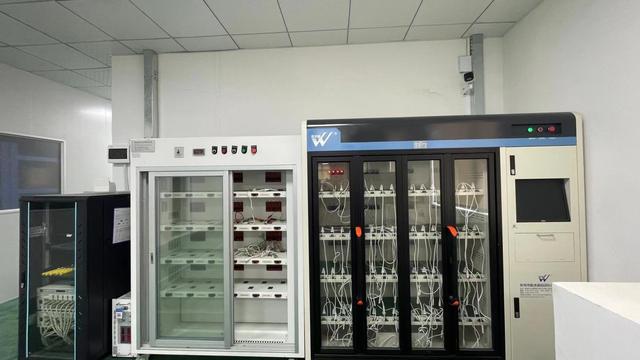
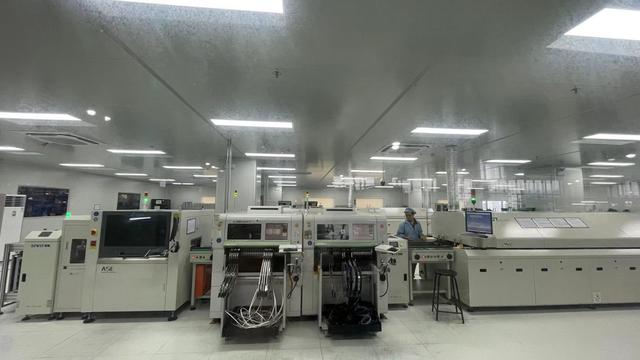
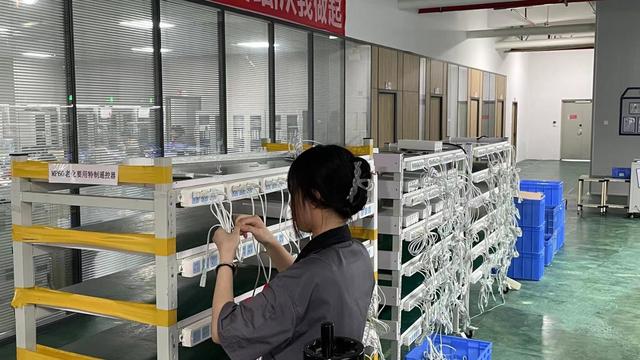
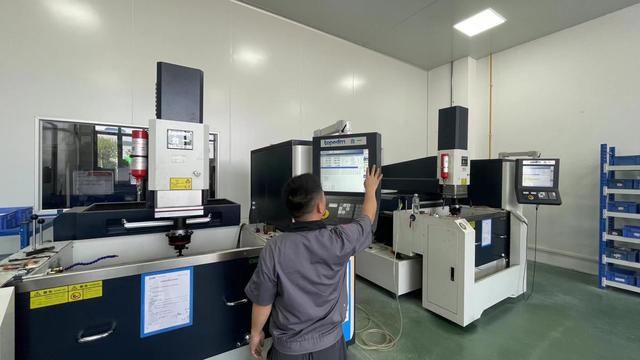
With an unwavering focus on product safety, long-term operational resilience, and energy-conserving performance, Torsion Motor leverages advanced manufacturing instrumentation, automated computerized winding and balancing stations, high-fidelity acoustic testing chambers, and full-spectrum motorized dynamometer labs. The enterprise is recognized for its ability to configure and customize specific electromagnetic torque profiles, dynamic rotation speeds, control interface protocols (including Zigbee, HomeKit, RS485), and physically tailored spatial configurations to meet demanding international compliance parameters. Their premium components are proudly exported to key markets throughout Europe, North America, South America, Southeast Asia, the Middle East, and Africa.
Exploring the core engineering advances, material science enhancements, and structural architectures driving the next generation of industrial and residential smart motors.
By moving beyond iron-core limitations, permanent magnet rotors incorporating rare-earth neodymium-iron-boron (NdFeB) achieve extraordinary torque-to-weight ratios. This material upgrade enables smaller structural dimensions, significantly lower heat dissipation, and zero slip losses during high-cycle industrial automation processes.
Traditional smart home or commercial window operators historically consume continuous standby current waiting for wireless commands. Torsion Motor's new control topology lowers micro-controller standby consumption to less than 0.1W, achieving compliance with green building standards globally.
Integrating micro-sensors directly within the motor housing enables real-time monitoring of winding temperature, rotational vibration, and total cycles. By utilizing embedded software filters, high-cycle industrial door units can actively communicate maintenance needs before mechanical failure occurs.
In highly optimized green architectures, automatic blind and sunshade networks operate dynamically in response to outdoor solar radiation and indoor temperature vectors. Utilizing Torsion Motor's high-efficiency smart tubular systems allows buildings to adjust internal thermal gains automatically. By drawing minimal operational power and using low-voltage DC distribution, these micro-motors can run on integrated solar panel networks, contributing directly to LEED Platinum architectural certifications.
For large refrigerated warehouses, pharmaceutical distribution hubs, and high-frequency logistics docks, minimizing door cycle duration is paramount to avoiding costly cooling losses. Standard high-cycle overhead roll-up doors require massive torque capacity and immediate duty cycles. Torsion's range of customized three-phase and worm gear-driven doors operate under strict control profiles that ramp up quickly, run quietly, and hold their position safely without drawing excessive power during braking or holding states.
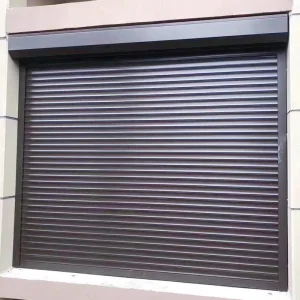
In retail complexes and high-density multi-tenant structures, fire-rated roller shutters must actuate flawlessly during emergencies. The mechanical components must resist thermal expansion while their electronic systems must function perfectly under battery backup power. Using specialized anti-theft sensors and manual mechanical overrides, our motors provide long-term operational peace of mind under the most stringent structural regulatory criteria.
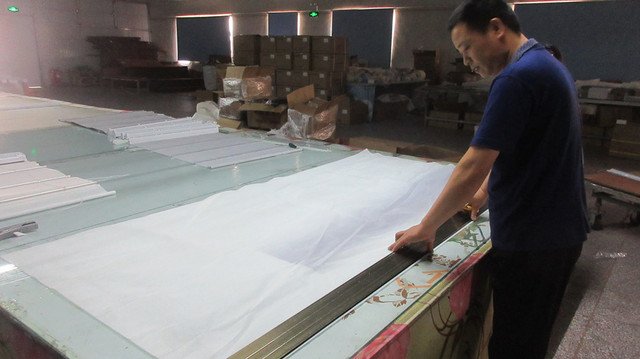
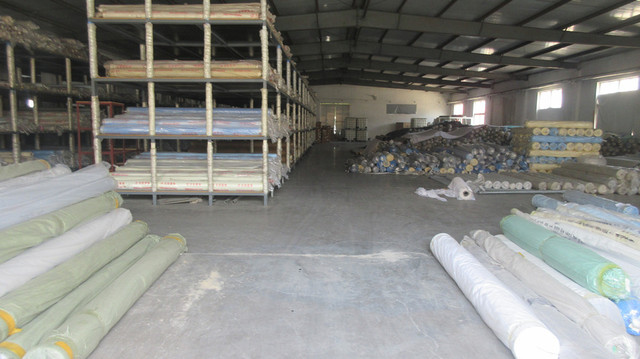
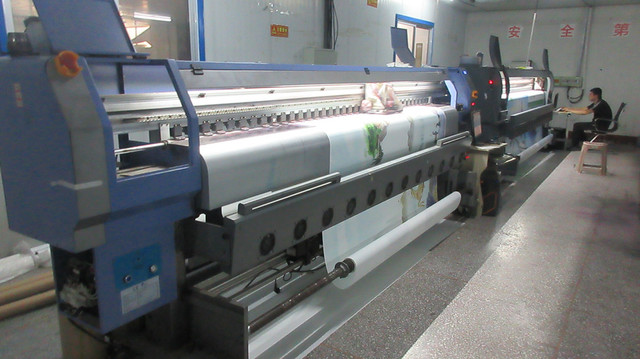
Step inside our 10,000+ square meter factory in Ningbo, Zhejiang. We leverage automated precision winders, full-scale endurance chambers, and strict QC testing platforms to ensure extreme reliability.
Get professional insights from Torsion Motor's lead engineering division on efficiency classes, customization options, and technology selection.
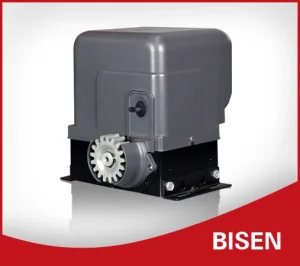
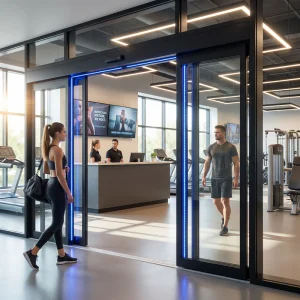
Discover our heavy-duty sliding mechanism systems, high-torque garage door motors, and professional automatic door components optimized for high-traffic public, commercial, and retail environments.
 Torsion Motor